On average, each household throws away nearly 30 kg of food per person per year. The kitchen is the room where we waste the most — but also the one where a few good habits change everything.
Cooking zero-waste isn’t about going without: it’s about dosing as precisely as possible, storing intelligently and using what you’d usually throw away. The payoff: real savings and a smaller footprint. Here’s our complete guide.
1. Dose precisely and waste nothing
The first kind of waste is invisible: it’s the ingredients you use too much of. A few simple habits let you dose as close to your needs as possible:
- Weigh your portions of carbs and proteins rather than eyeballing them.
- Dose oil with a spray rather than a pour: you use up to 5 times less.
- Cook the right quantities and plan leftovers for the next day.
- Match your shopping to a weekly menu to avoid wasted purchases.
⭐ Our favourite
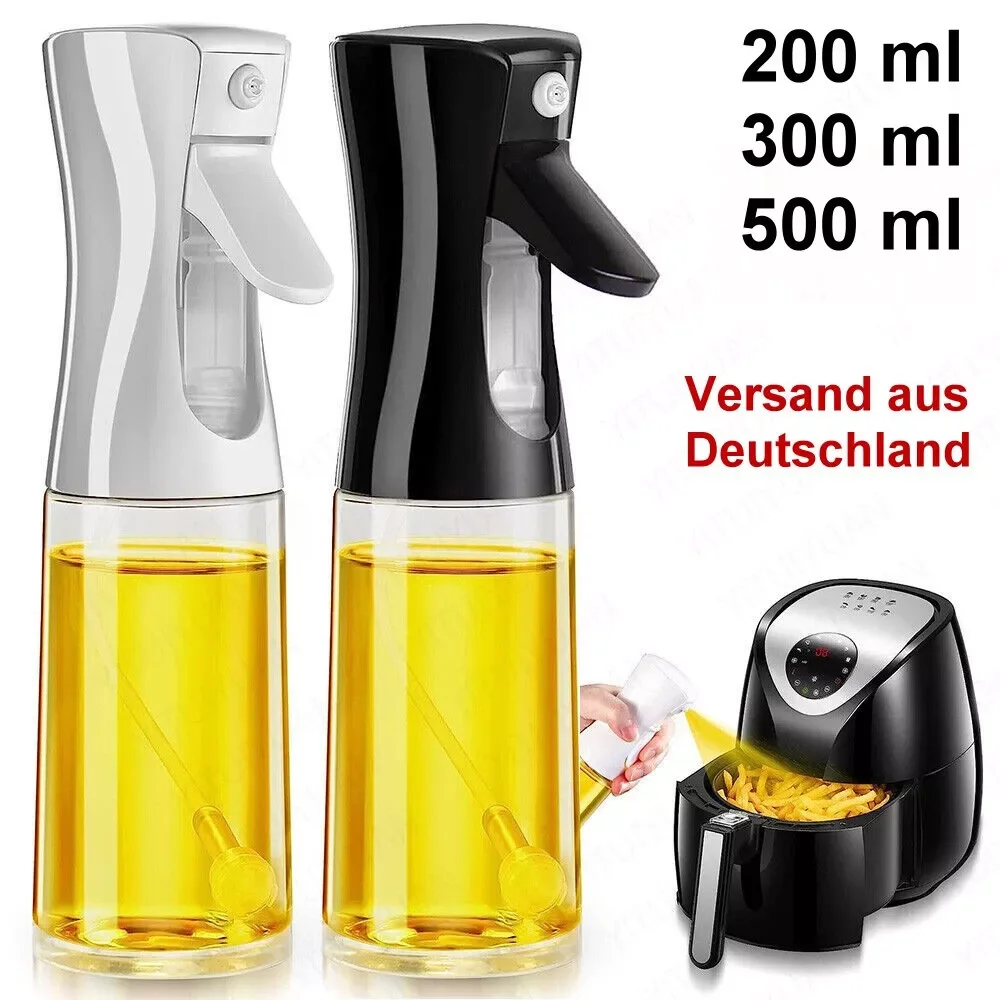
Rechargeable Stainless Steel Olive Oil Sprayer – Precise Spray, Zero Waste
Our favourite: the refillable stainless-steel olive oil sprayer. A fine mist spreads the oil evenly and you use up to 5 times less fat — zero waste, lighter dishes and a bottle you refill endlessly.
2. Invest in reusable gear
Disposables are costly and end up in the bin. Replacing a few accessories with durable versions cuts your waste all year round. The maths is quick:
| Use | Disposable solution | Reusable alternative | Benefit |
|---|---|---|---|
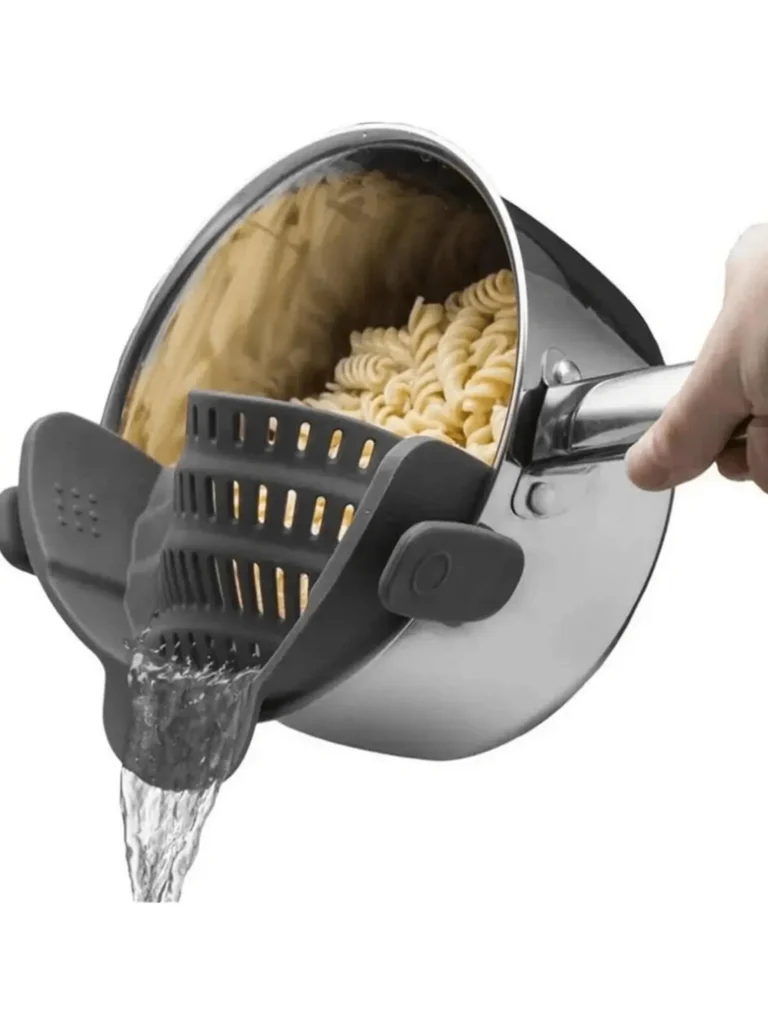
| Draining | Fragile colander / film | Clip-on silicone colander | Years of use |
| Covering | Cling film | Lid or beeswax wrap | Zero plastic binned |
| Wiping | Kitchen roll | Washable cloth | Less waste |
| Storing | Disposable bags | Airtight boxes | Protected food |
🔥 Best-seller
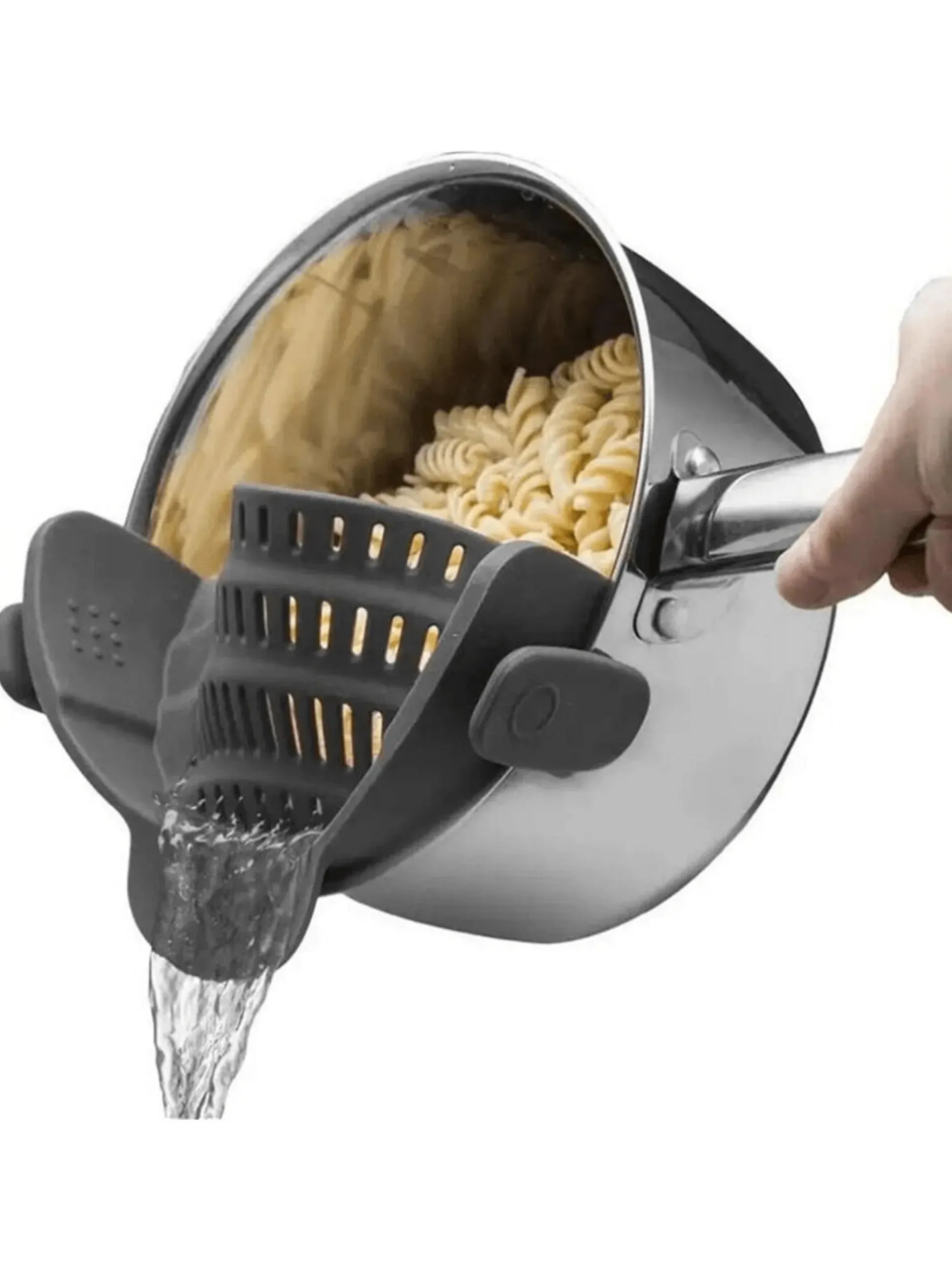
Clip-On Silicone Strainer – Drain Pots and Pans Without Splashing
Anti-food-waste best-seller: the clip-on silicone colander. It clips onto any pot or pan to drain without splashes, replaces fragile colanders, folds away for storage and lasts for years — the smart accessory that cuts washing-up and waste.
3. Store well to throw nothing away
A large share of waste comes from food forgotten at the back of the fridge. Organised storage extends freshness and brings forward what needs eating first:
- Apply the “first in, first out” rule: at the front, whatever expires soon.
- Arrange the fridge by temperature zones (coldest for delicate items).
- Store eggs and fragile products visibly and dated.
- Freeze your surplus in portions before it spoils.
💡 Chef’s tip — Keep a clearly visible “eat me first” box in the fridge: put everything nearing its date in it. A single glance is then enough to decide the next meal and avoid waste.
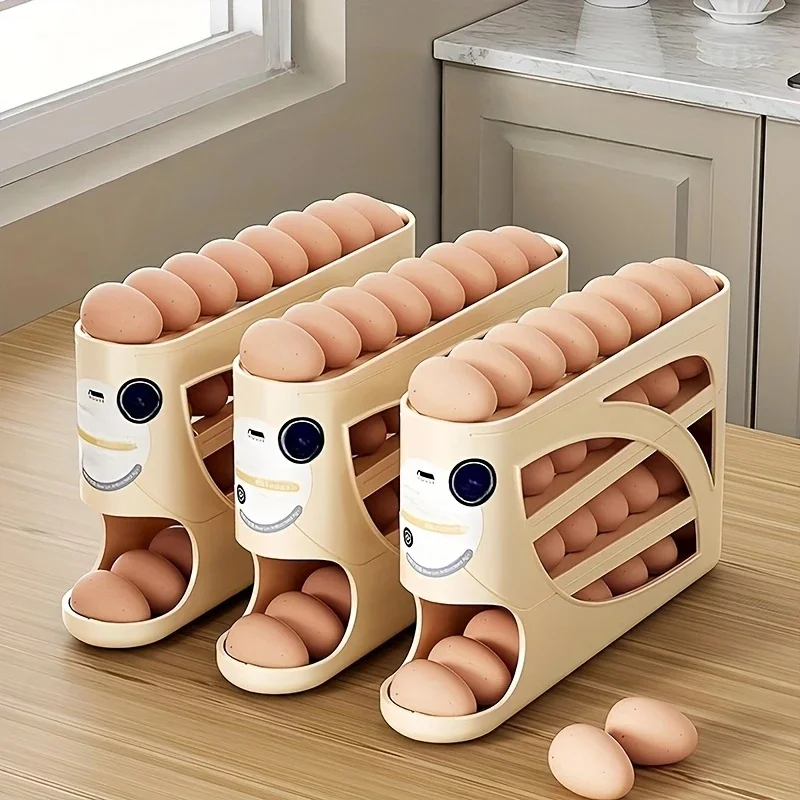
Rotating Egg Holder Fridge – Smart Storage for 14 Eggs
So you never forget your eggs again, the rotating fridge egg holder stores up to 14 eggs and turns to bring the oldest to the front. Visible, dated and used in order: no more expired eggs at the back of the fridge.
Cooking leftovers and peelings
Zero-waste also plays out on the plate. Carrot tops become a pesto, vegetable peelings a homemade stock, stale bread a delicious French toast. Yesterday’s leftovers turn into a gratin, a soup or an omelette. Cooking “the old way” — throwing nothing away — is often tastier and always more economical.
Frequently asked questions
Where do you start with zero-waste cooking?
Start by planning your meals and shopping to avoid wasted purchases, then replace disposables (film, kitchen roll) with reusable alternatives. These two habits already cut your waste substantially.
How do you avoid wasting food?
Store your food well, apply “first in, first out”, freeze surpluses and cook leftovers. Dosing precisely while preparing also limits excess.
Is reusable gear really more economical?
Yes: a durable accessory like a silicone colander or an oil sprayer pays for itself within a few months versus disposables, while cutting your waste for years.
In short
Zero-waste cooking rests on three pillars: dose right, equip durably and store well. With a few smart accessories and good habits, you cut your waste, your spending and your footprint — without sacrificing any of the joy of cooking.