The homemade burger has everything going for it: sociable, customisable and far better than fast food. Yet between a dry patty and a soggy bun, the result can quickly disappoint.
The good news is that success comes down to a few simple rules: choosing the meat, even shaping and controlled cooking. Here’s our complete guide to perfect burgers every time.
1. Choosing and preparing the meat well
The patty is the heart of the burger. For a juicy, tasty result, the secret lies in the fat content and even shaping:
- Aim for mince at 15-20% fat: too lean, the patty dries out.
- Salt just before cooking, never beforehand (the meat toughens).
- Shape even patties with a slight dimple in the centre.
- Handle the meat as little as possible to keep it tender.
⭐ Our favourite
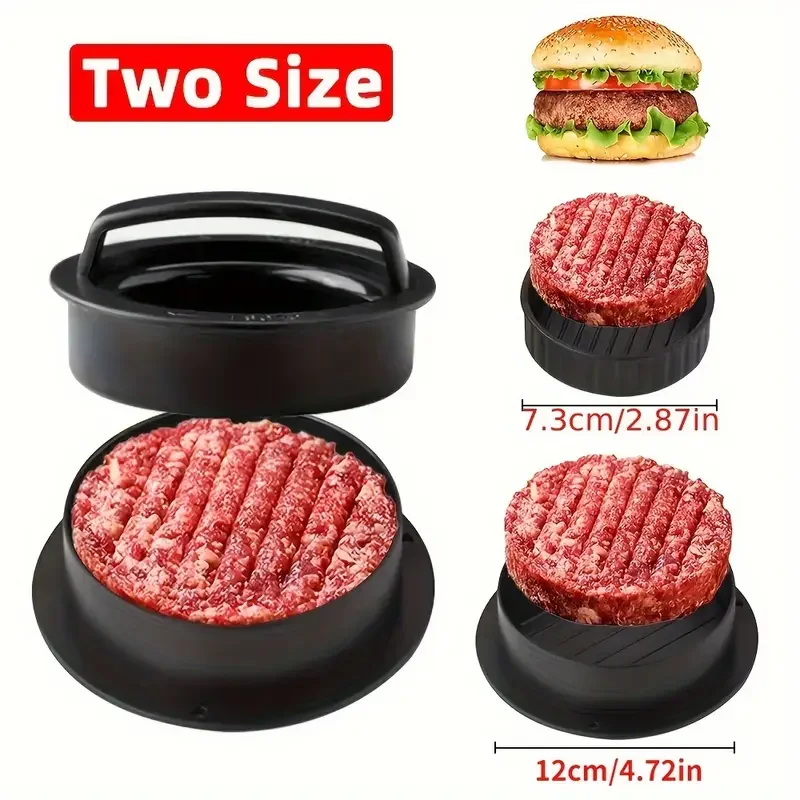
3-in-1 Burger Press – Stuffed Patties & Perfect Homemade Sliders
Our favourite: the 3-in-1 burger press. It shapes perfectly even patties, but also lets you create stuffed patties (cheese core!) and thin homemade patties — the tool that changes everything for consistent burgers.
2. Mastering the cooking
Cooking makes all the difference between a dry patty and a juicy one. The pro secret: cook to the degree with a thermometer. Here are the reference core temperatures:
| Doneness | Core temperature | Look | For whom |
|---|---|---|---|
| Rare | 52-54 °C | Red centre, juicy | Meat lovers |
| Medium | 58-60 °C | Pink centre | The most consensual |
| Well done | 68-71 °C | Grey centre, firm | Kids, safety |
🔥 Best-seller
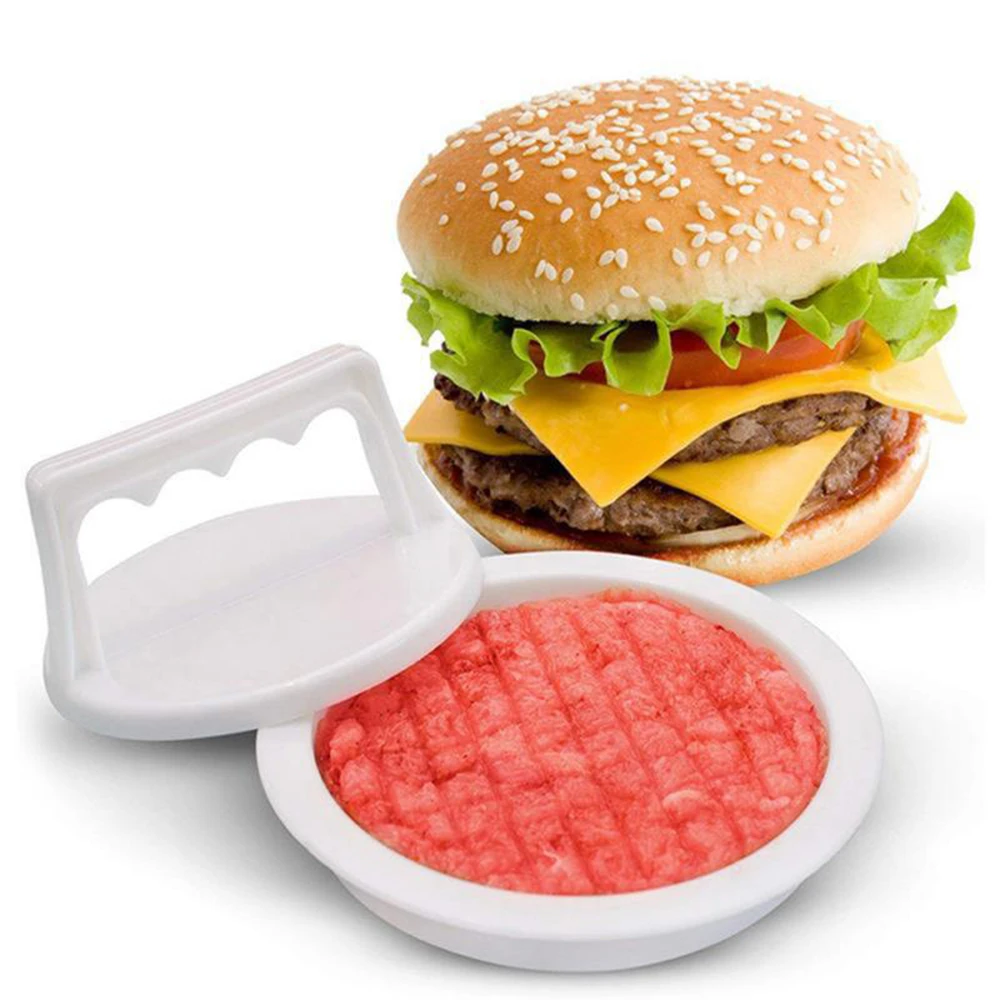
Plastic Burger Press – Perfect Homemade Patties 11 cm
Family-kitchen best-seller: the plastic burger press. Simple, effective and easy to clean, it shapes perfectly calibrated homemade patties at 11 cm — the ideal format for consistent burgers at a small price.
3. The bun and the build
A good burger is also won in the assembly. The order of ingredients avoids a soggy bun and guarantees a balanced bite:
- Toast the bun on the inside: it resists moisture better.
- Place the sauces and lettuce at the bottom, to protect the bun.
- Set the hot patty then the cheese so it melts.
- Add the crunchy toppings (onion, pickle) last.
💡 Chef’s tip — Let the patty rest for 2-3 minutes after cooking before building the burger: the juices redistribute and the meat stays tender. A pro detail that changes everything.
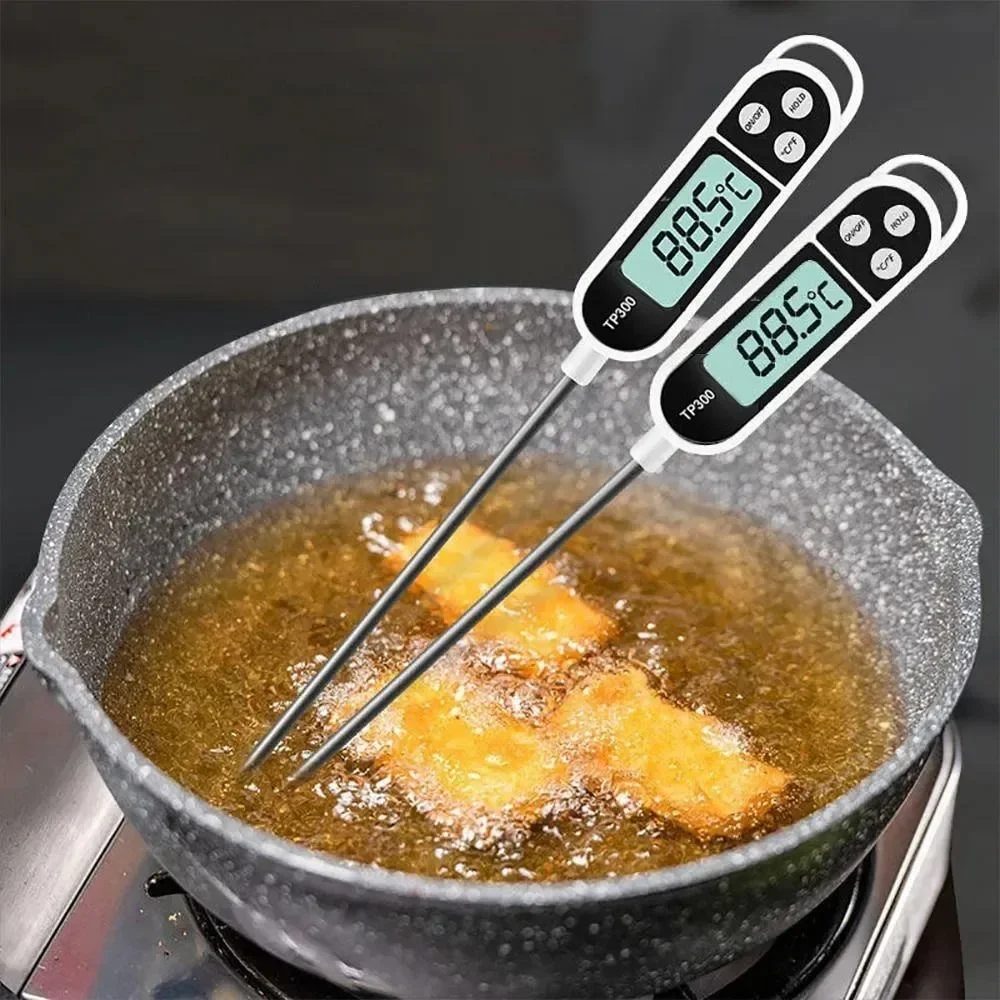
Digital Kitchen Thermometer with Probe – Instant Read -50° to +300°C
For cooking to the degree, the digital probe kitchen thermometer shows the core temperature instantly (-50 to +300 °C). No more overcooked patties: the guarantee of juicy meat every time.
Topping ideas and variations
The burger reinvents itself endlessly: classic cheddar-bacon, Italian-style mozzarella-rocket-pesto, or breaded chicken. On the vegetarian side, a chickpea or black-bean patty shaped in the press works wonders. The essential remains balance: a sauce, a crunchy element, a melting cheese and a fluffy bun.
Frequently asked questions
What meat for a juicy homemade burger?
Beef mince at 15-20% fat is ideal. Too lean, the patty dries out when cooking. Even shaping and salting just before cooking do the rest.
How do you avoid a dry burger patty?
Don’t overcook: use a thermometer to aim for 58-60 °C core (medium). Let the meat rest for 2-3 minutes before serving to keep the juices.
How do you stop a burger bun going soggy?
Toast the inside of the bun and place sauces and lettuce between the bun and the patty. Build the burger just before serving.
In short
A perfect homemade burger rests on well-chosen meat, controlled cooking and a careful build. With a good burger press and a thermometer, you’ll get restaurant-worthy results.